Shopfitting Spray Finishing in Manchester: What to Send First
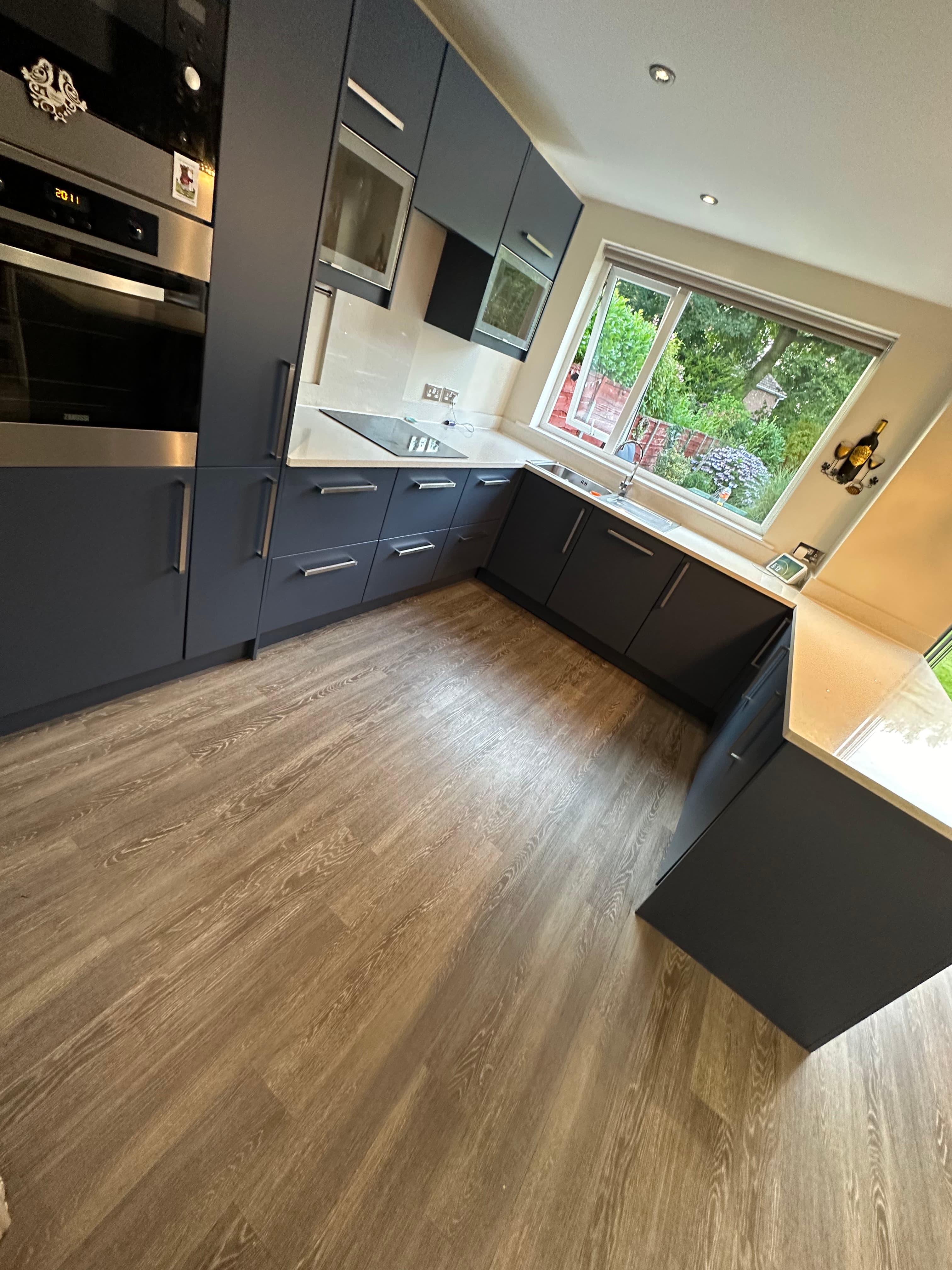
Shopfitting spray finishing is not just about making panels look neat. On a commercial interior, the finish is what the client sees at handover: the counter, reception desk, display unit, wardrobe run, media wall or fitted joinery that has to look consistent under real lighting.
Revitalize Resprays works from Denton, Manchester, and can discuss suitable shopfitting, fitted furniture, MDF, lacquer, stain and commercial joinery finishing enquiries across Greater Manchester and the North West.
Quick answer: how should a shopfitting spray finishing enquiry start?
Start with evidence, not a vague “how much to spray this?” message. Bryan needs to see what the parts are, what they are made from, how many there are, what finish is expected and when the client needs them back.
That matters because shopfitting and commercial interiors carry handover pressure. A rushed or unsuitable finish does not only affect the part being sprayed; it affects the joiner, shopfitter, contractor and end client.
Shopfitting parts that may suit spray finishing
Suitable enquiries may include loose or manageable components such as:
- MDF panels, doors, plinths and display components.
- Retail display units, counters and front-of-house cabinetry.
- Reception desks, office joinery and commercial interior parts.
- Fitted furniture, wardrobes, media wall panels and storage runs.
- Oak, veneer, timber or previously coated components needing a sensible lacquer, stain or sprayed finish route.
- Sample panels or sample doors for client approval before a bigger batch.
The list is not a promise that every item can be taken on. It is a guide to the type of trade finishing enquiry Bryan can assess once the details are clear.
Why the finish route matters on shopfitting work
Shopfitting work is often judged close up. A counter, reception desk or display unit may sit under bright commercial lighting, with staff and customers touching it every day. That makes consistency across faces, edges, profiles and batches important.
MDF, oak, veneer, timber and previously coated parts do not all behave the same. Some jobs need a sprayed paint finish. Some need lacquer or stain. Some need a sample first. Some need more information before the finish route can be judged honestly.
The commercial standard is not “can paint stick to it?” The better question is whether the finish, substrate, deadline and client expectation all line up before the shopfitter relies on it for handover.
What to send for a shopfitting spray finishing quote
A strong first message should include:
- Photos, drawings, sketches or elevations of the parts.
- Quantities and approximate sizes.
- The substrate: MDF, timber, oak, veneer, existing coating or another material.
- Edge, profile, routed detail and exposed-MDF information.
- Whether parts are loose, already installed, still being made, collected or delivered.
- Colour, colour match, sheen, lacquer, stain or sample requirement.
- The deadline, handover date and any client approval stage.
- Whether it is a sample, one-off package, batch or potential repeat overflow job.
If a detail is unknown, say so. A clear photo of the face, edge and back of a part is more useful than a guessed substrate or finish description.
Sample panels protect the client handover
For new trade relationships, a sample panel or sample door can be the cleanest first step. It lets the client approve something real and gives Bryan a chance to check the colour, sheen, substrate and finish expectation before a larger commercial package depends on it.
This is especially useful where the finish may become repeat overflow work or where the component is part of a wider shopfitting package with several people relying on the final result.
Mistakes to avoid before sending shopfitting parts for finishing
- Leaving the finish route until the handover deadline is already tight.
- Sending photos of only the front face while hiding edges, profiles or damage.
- Assuming MDF, oak, veneer and previously coated parts all need the same process.
- Promising the end client a sprayed look before checking whether the parts suit that route.
- Forgetting to agree colour, sheen, lacquer, stain or sample approval early.
- Choosing purely on the cheapest price instead of finish standard and handover risk.
Bryan's position is simple: the job should be judged properly before it is promised. That protects Revitalize, the trade customer and the end client.
Ready for a free quote?
Take our quiz at revitalizeresprays.co.uk/quote.
Or call Bryan directly on 07384 574225 — straight through to the workshop, no call centre, no chasing.
Revitalize Resprays — Unit 1a, 88-90 Wilton Street, Denton, Manchester M34 3NH. 25+ years wood-finishing experience, Google reviews from real local customers, as featured in The Times.
Frequently asked questions
Can Revitalize spray finish shopfitting components in Manchester?
Revitalize can discuss suitable shopfitting spray finishing enquiries from Denton, Manchester, including MDF panels, counters, reception desks, retail display units, fitted furniture parts and sprayed joinery where the substrate, finish target and deadline are clear.
What information should a shopfitter send for a spray finishing quote?
Send photos or drawings, quantities, approximate sizes, substrate, edge and profile details, whether parts are loose or installed, colour, sheen, lacquer or stain requirement, deadline, delivery or collection expectation, and whether the enquiry is a sample, one-off batch or repeat trade work.
Is shopfitting spray finishing the same as domestic kitchen respraying?
No. The same finishing experience helps, but shopfitting work is usually judged around trade reliability, consistent finish across components, client handover risk, sample approval, substrate details and whether the parts can be handled sensibly.
Should shopfitters send a sample panel first?
For a new trade relationship or a client-facing finish, a sample panel or sample door can be the safest first step. It gives the client something real to approve and gives Bryan a practical way to check the finish target before a larger batch depends on it.
Related reading

Bryan Grime
Founder, Revitalize Resprays
More from the blog
What Information to Send for a Trade Spray Finishing Quote
A practical quote checklist for joiners, shopfitters, fitted furniture companies and trade buyers who need MDF, lacquer, stain or sprayed joinery finishing.
Commercial Spray FinishingSpray Finishing vs Hand Painting for Commercial Joinery
A practical guide for joiners, shopfitters and fitted furniture companies comparing spray finishing and hand painting for MDF, joinery and commercial interiors.
Commercial Spray FinishingHow Joiners Can Use Revitalize as an Overflow Spray Finishing Partner
A practical guide for joiners, cabinet makers, fitted furniture companies and shopfitters who need overflow spray finishing support in Manchester and the North West.